In the world of business, meetings are a common occurrence. They serve as a platform for decision-making, brainstorming, and problem-solving.
But what happens after the meeting ends? How do we keep track of what was discussed, decided, and planned?
This is where meeting minutes come into play. They are a written record of everything significant that transpired during the meeting.
From defining the minutes of the meeting to understanding their role in effective meeting management, this article will delve into the importance of meeting minutes.
Whether you’re an administrative staff, a manager, a team leader, or simply a participant in meetings, this guide will provide valuable insights.
So, let’s embark on this journey to understand the significance of meeting minutes in organizational record-keeping and corporate governance.
What Are Meeting Minutes?
Meeting minutes, also known as minutes of the meeting, are a formal written record of a meeting’s proceedings. They capture the key points of a meeting, including decisions made, actions to be taken, and who is responsible for those actions.
These documents serve as an official and legal record of the meeting, providing a summary of the discussion, decisions, and next steps. They are crucial for keeping everyone on the same page and ensuring that nothing important is overlooked or forgotten.
The Historical Evolution of Meeting Minutes
The practice of recording meeting minutes dates back to ancient times. Early civilizations, such as the Greeks and Romans, kept records of their public meetings to ensure transparency and accountability. These records were often inscribed on stone or metal and displayed in public places.
Over time, the process of recording minutes has evolved, adapting to changes in technology and societal norms. Today, minutes are typically written or typed and stored digitally, making them easily accessible and searchable. Despite these changes, the core purpose of meeting minutes remains the same: to provide a clear, concise, and accurate record of a meeting’s proceedings.
Defining the Meeting Minutes
Meeting minutes, also known as protocols or notes, are written records of what is discussed and decided during a meeting. They serve as an official and legal record of the meeting, capturing the key points of discussions, decisions made, and actions agreed upon.
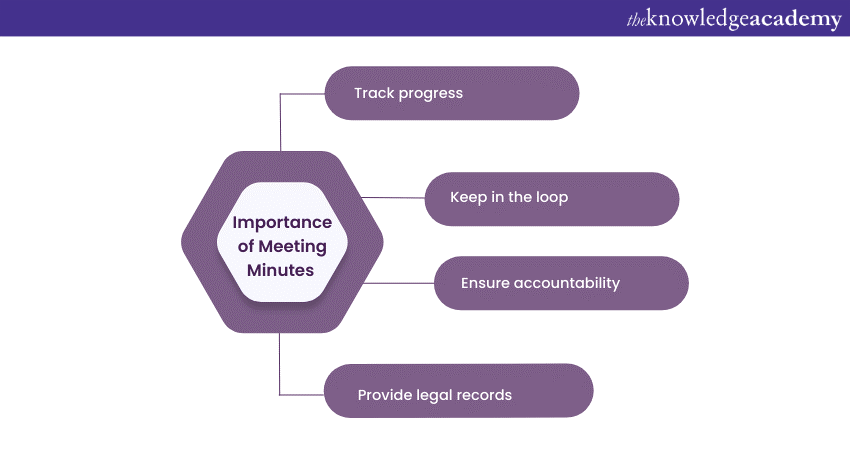
These records are not a verbatim transcript of everything said. Instead, they focus on the essence of the discussions, the decisions taken, and the responsibilities assigned. This makes them a valuable tool for tracking progress, ensuring accountability, and providing a reference for future actions and decisions.
Legal and Corporate Governance Aspects
In the realm of corporate governance, meeting minutes hold significant legal importance. They serve as an official record of board decisions, providing evidence of the board’s oversight and diligence in fulfilling their fiduciary duties.
In legal proceedings, meeting minutes can be used as evidence to demonstrate that the organization has acted responsibly and in accordance with its bylaws. They can also help resolve disputes by providing a clear record of what was discussed and decided. Therefore, maintaining accurate and comprehensive meeting minutes is a crucial aspect of corporate governance.
The Role of Meeting Minutes in Accountability and Transparency
Meeting minutes play a pivotal role in promoting accountability and transparency within an organization. They provide a clear record of decisions made, actions agreed upon, and individuals assigned to tasks. This ensures that everyone is held accountable for their responsibilities.
Moreover, meeting minutes enhance transparency by providing a detailed account of discussions and decisions. They allow stakeholders, both internal and external, to understand the rationale behind decisions and the progress of initiatives. This transparency fosters trust and encourages open communication within the organization.
How Meeting Minutes Facilitate Decision Making and Progress Tracking
Meeting minutes are a crucial tool for decision-making and progress tracking. They serve as a reference point for decisions made during meetings, providing a clear record of what was agreed upon. This helps in avoiding confusion and miscommunication, ensuring that everyone is on the same page.
In terms of progress tracking, meeting minutes record the status of tasks and projects discussed in the meeting. They provide a timeline of actions taken and milestones achieved, helping teams to monitor progress and stay on track. This makes meeting minutes an invaluable tool for effective project management.
Best Practices for Recording Meeting Minutes
Recording meeting minutes effectively requires a certain level of skill and understanding. One of the best practices is to prepare in advance. This includes understanding the meeting agenda, knowing the participants, and familiarizing oneself with the topics to be discussed.
During the meeting, it’s important to note key points, decisions, and action items. Avoid trying to write down everything verbatim. Instead, focus on capturing the essence of the discussion. After the meeting, review the minutes for clarity and accuracy, then distribute them promptly to all participants. This ensures everyone has a shared understanding of what transpired and what needs to be done next.
Common Mistakes to Avoid in Meeting Minutes
When recording meeting minutes, there are common pitfalls to avoid. One of the most frequent mistakes is trying to capture every single detail. Remember, minutes are not a transcript. They should summarize the key points, decisions, and action items, not every word spoken.
Another common mistake is failing to distribute the minutes promptly after the meeting. This can lead to confusion and miscommunication. It’s crucial to share the minutes as soon as possible, so everyone is on the same page about what was discussed and what the next steps are.
The Impact of Technology on Meeting Minutes
Technology has significantly transformed the way we record and distribute meeting minutes. Digital tools and software have made it easier to capture, organize, and share minutes. They also allow for real-time editing and collaboration, enhancing the accuracy and efficiency of the process.
Moreover, technology has enabled the storage and retrieval of meeting minutes to be more streamlined. Digital archives allow for easy search and access, ensuring that past decisions and discussions are always at our fingertips. This has made meeting minutes an even more valuable resource in today’s fast-paced, digital world.
Conclusion: The Undeniable Value of Meeting Minutes
In conclusion, meeting minutes are an indispensable tool in any organization. They serve as a record of decisions, foster accountability, and facilitate effective communication. With the aid of technology, their importance is even more pronounced in today’s digital age. Therefore, understanding and mastering the art of taking meeting minutes is a skill worth investing in.